Filing type
Annual Return
Confirms registered details and director or office changes in the period.
PartnerRegister an Irish Company with StartCompany.ieStartCompany.ie makes it fast and simple to incorporate. Formation, registered address and CRO filing — all handled for you.CRO fees included.
Partner offer: From €189Guide: filing interpretation
Filing history often exposes far more than account numbers. It can expose continuity, governance changes, and risk patterns that help you decide how far to proceed.
Start a filing-risk check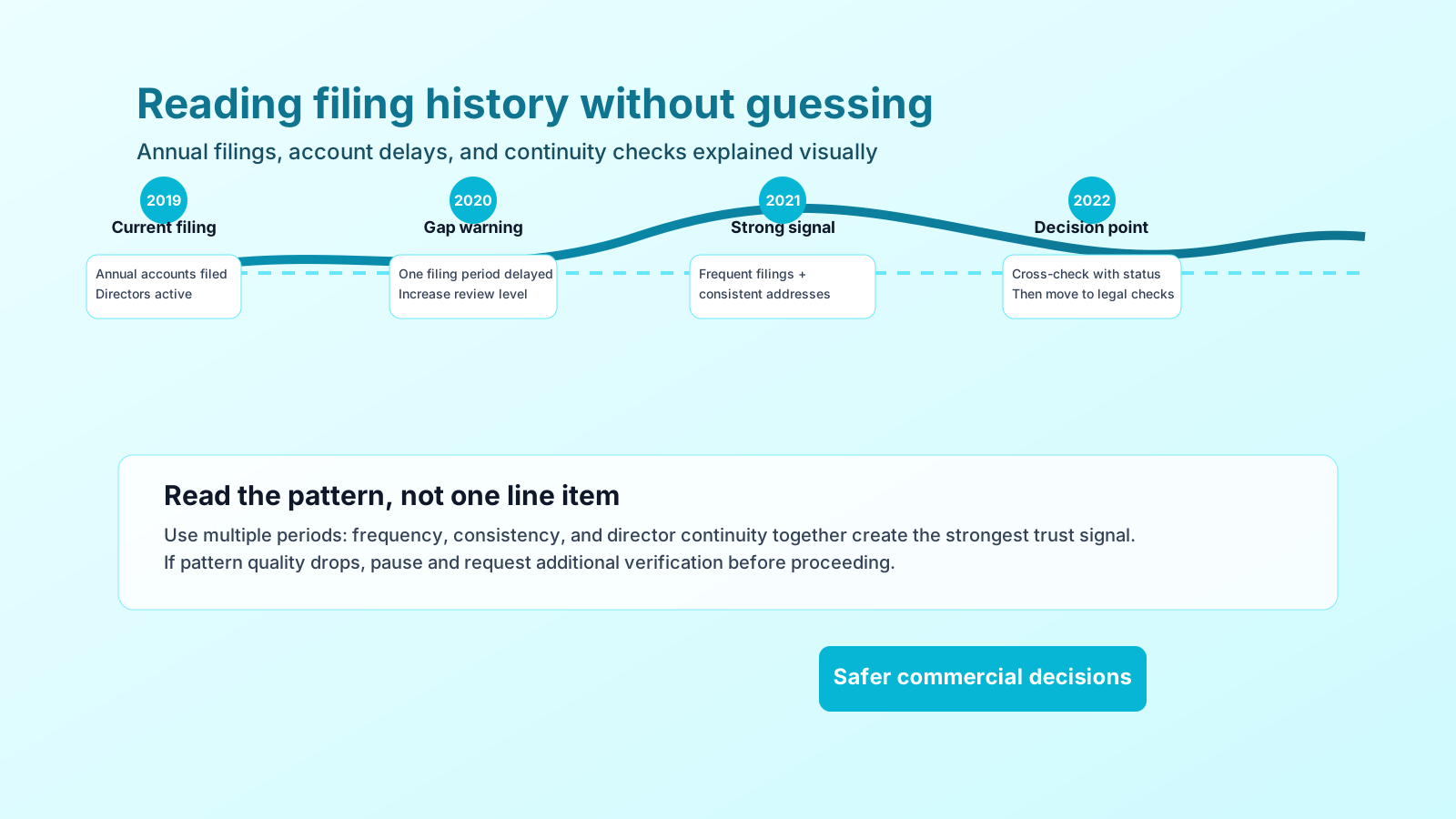
Filing type
Confirms registered details and director or office changes in the period.
Filing type
Shows filing rhythm and whether financial documents are appearing as expected.
Filing type
Useful for understanding major secured obligations or financing events.
Interpretation flow
Risk signals
Filing gap
Large gaps between filings can indicate processing issues, late updates, or weak internal governance.
Frequent director turnover
Rapid changes often pair with filing inconsistencies and deserve manual review.
Repeated short filings
A compressed sequence can hide operational volatility if not verified with status and address.
Cross-check quickly
No. Older and smaller records often behave differently. Always compare a company with its own history, not a universal template.
Maybe, but never blind to it. A single delay is a warning flag and should increase your caution level.
Use a quick three-part check: continuity, recency, and consistency with status and director changes.
The public page typically surfaces summary details first. Complete document inspection is usually available through the premium reporting path.